
 Artisan Work
 Shop Hayloft Antiques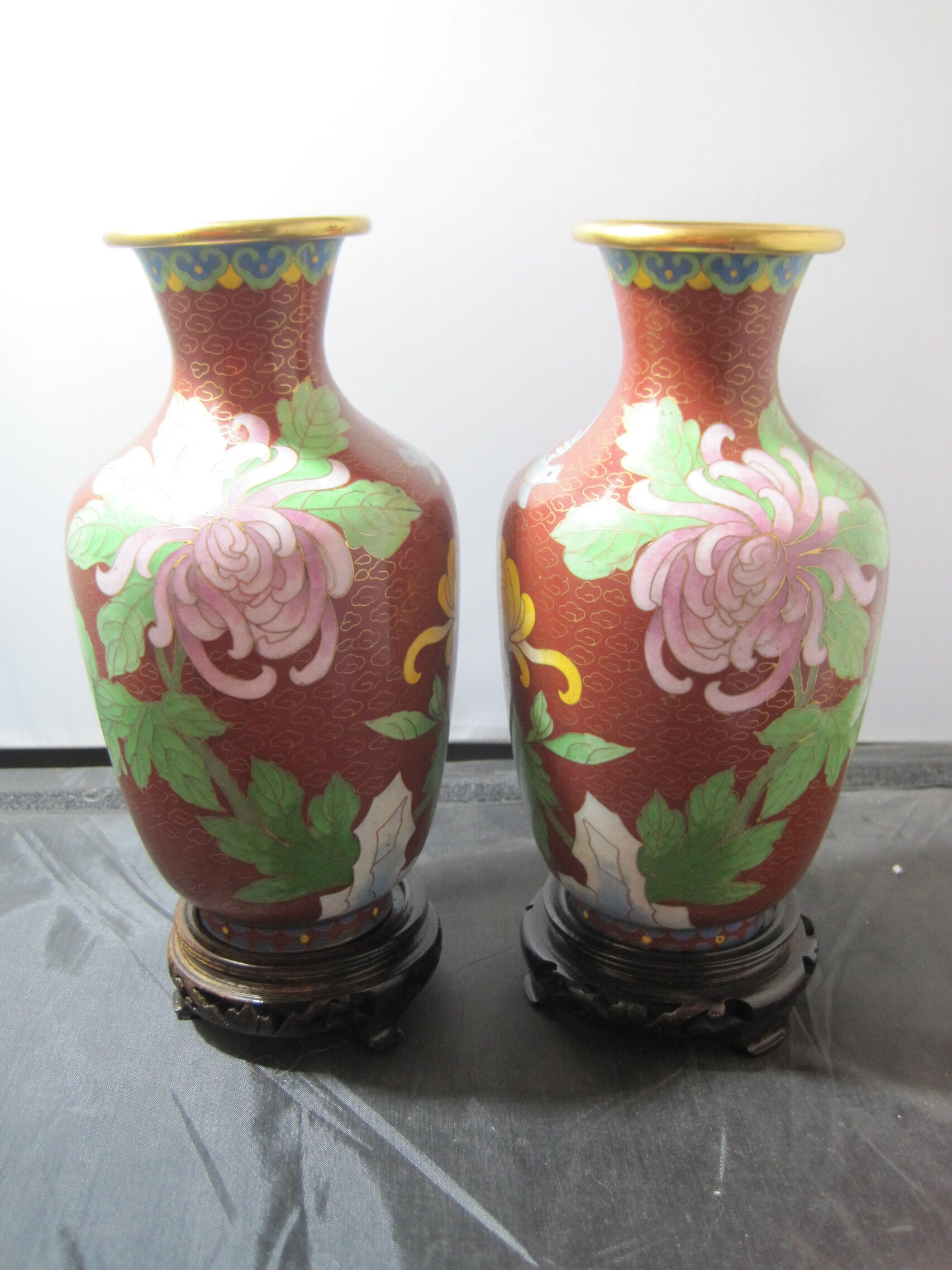
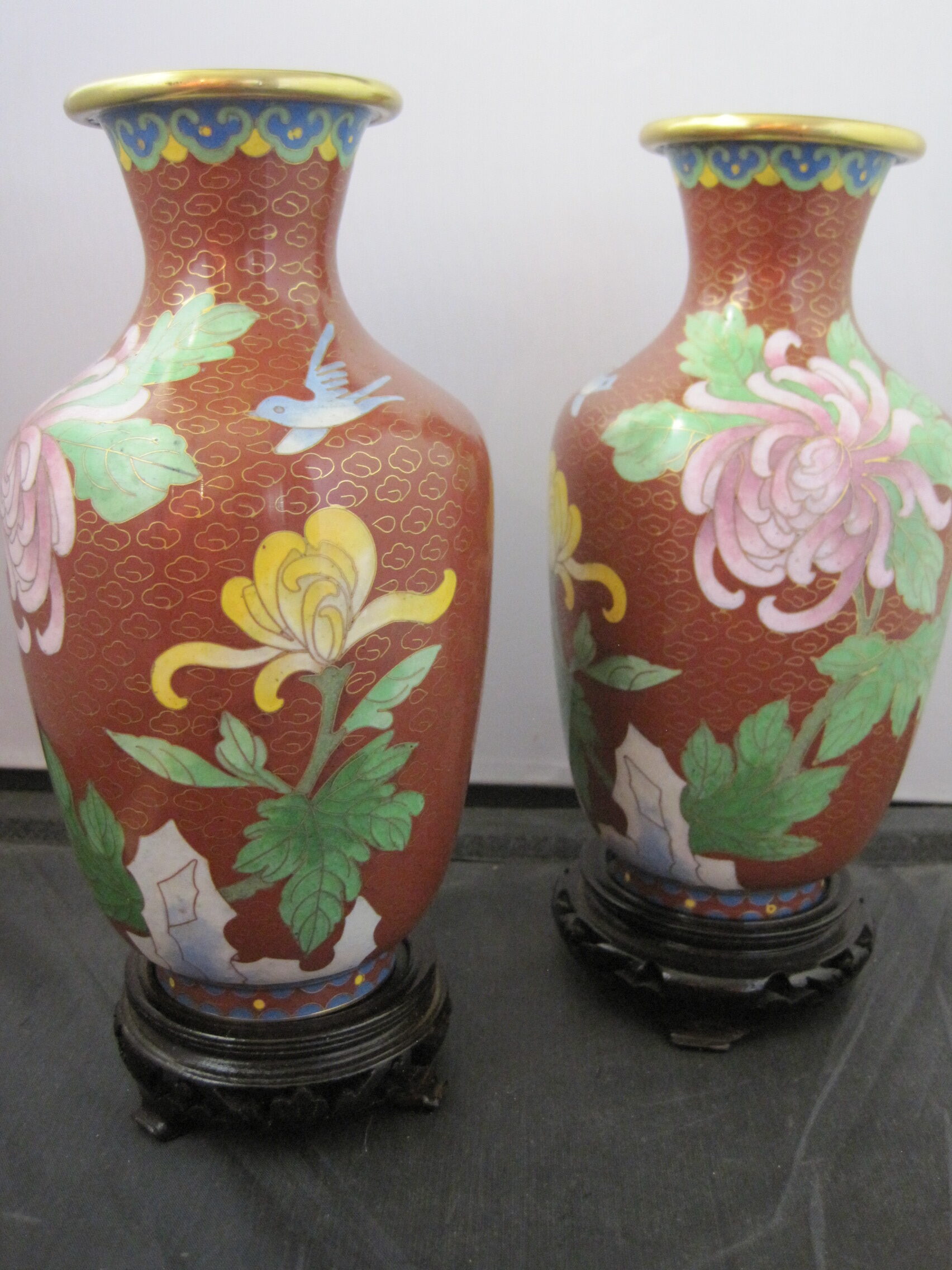
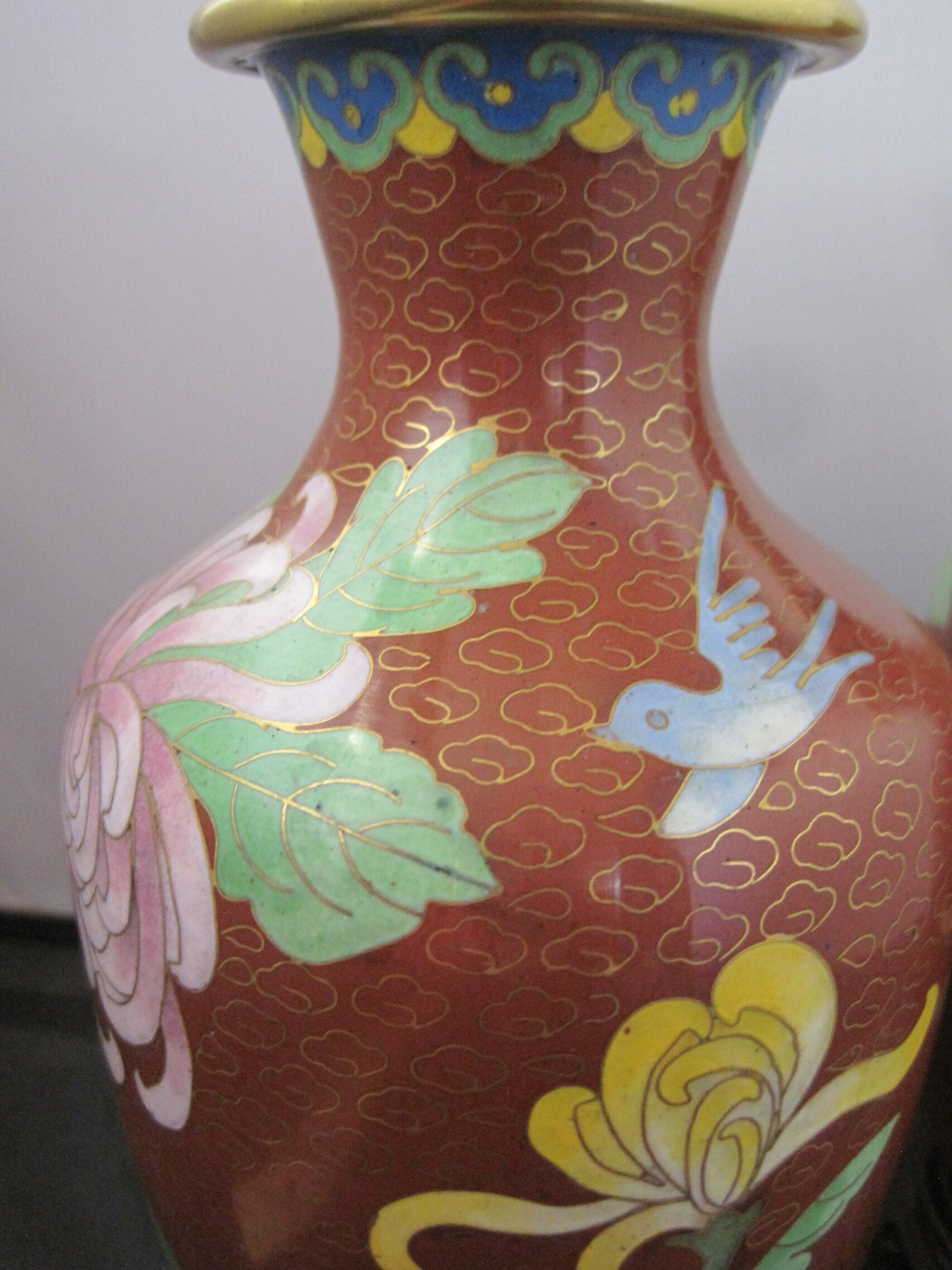
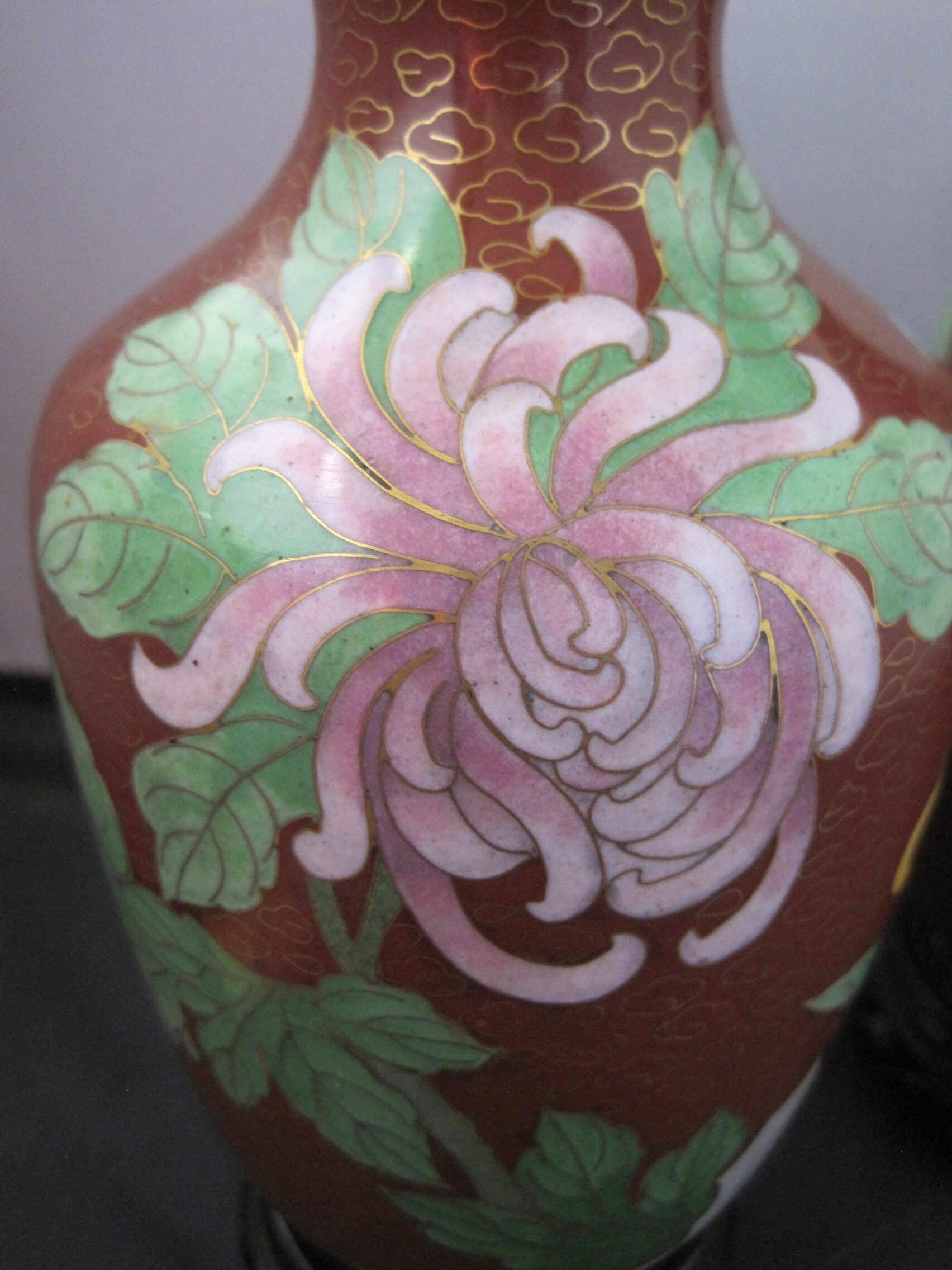
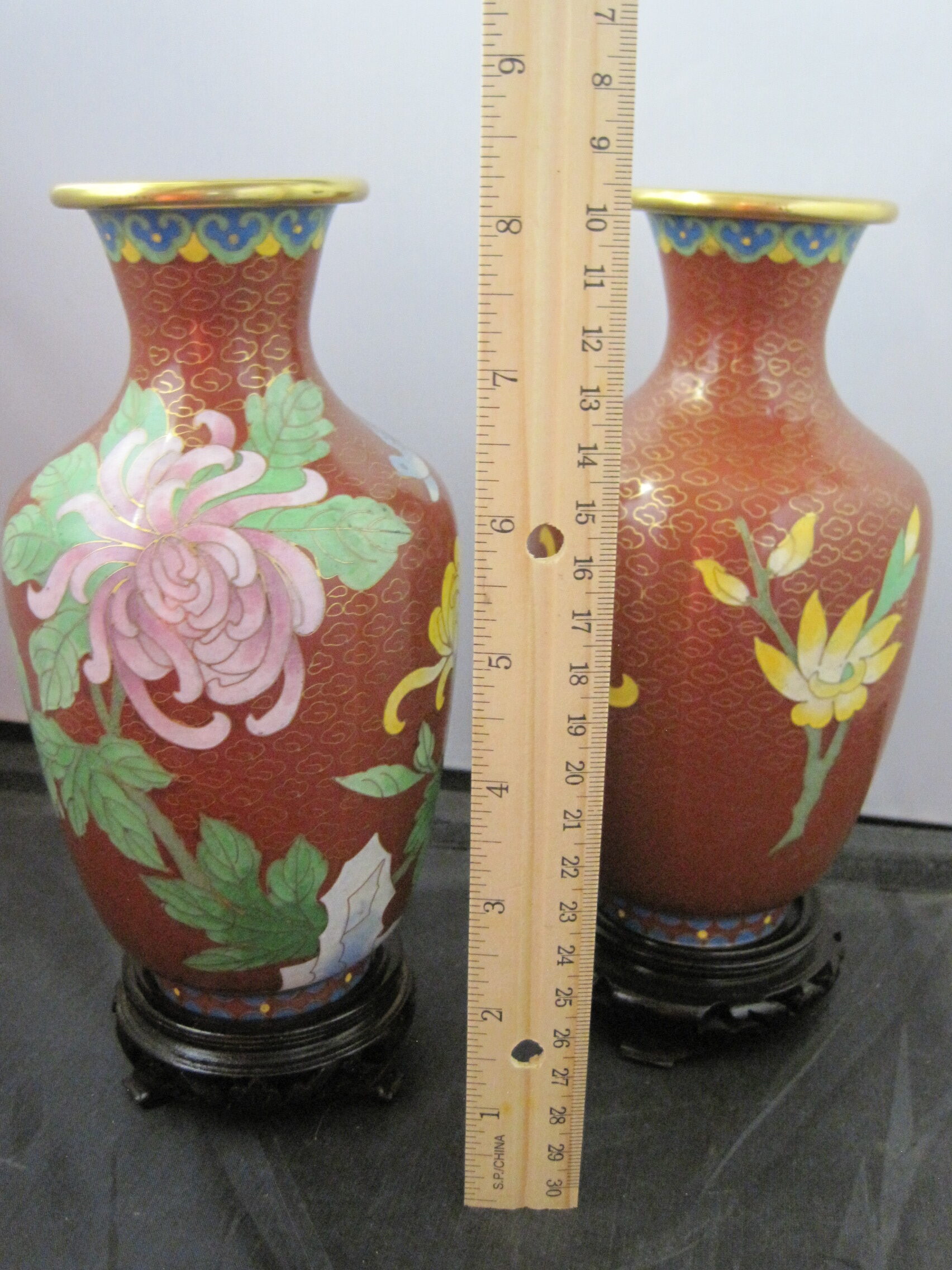
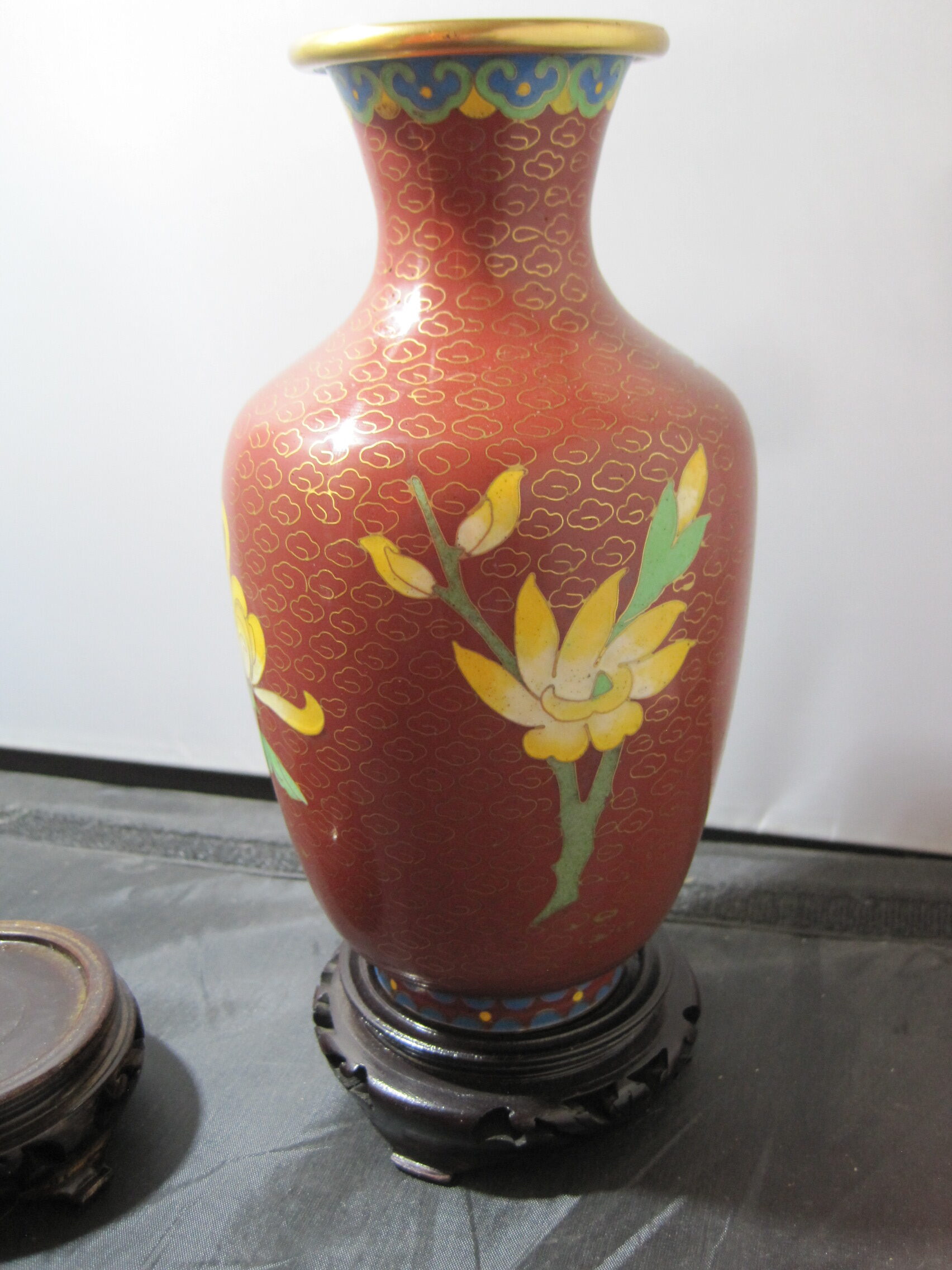
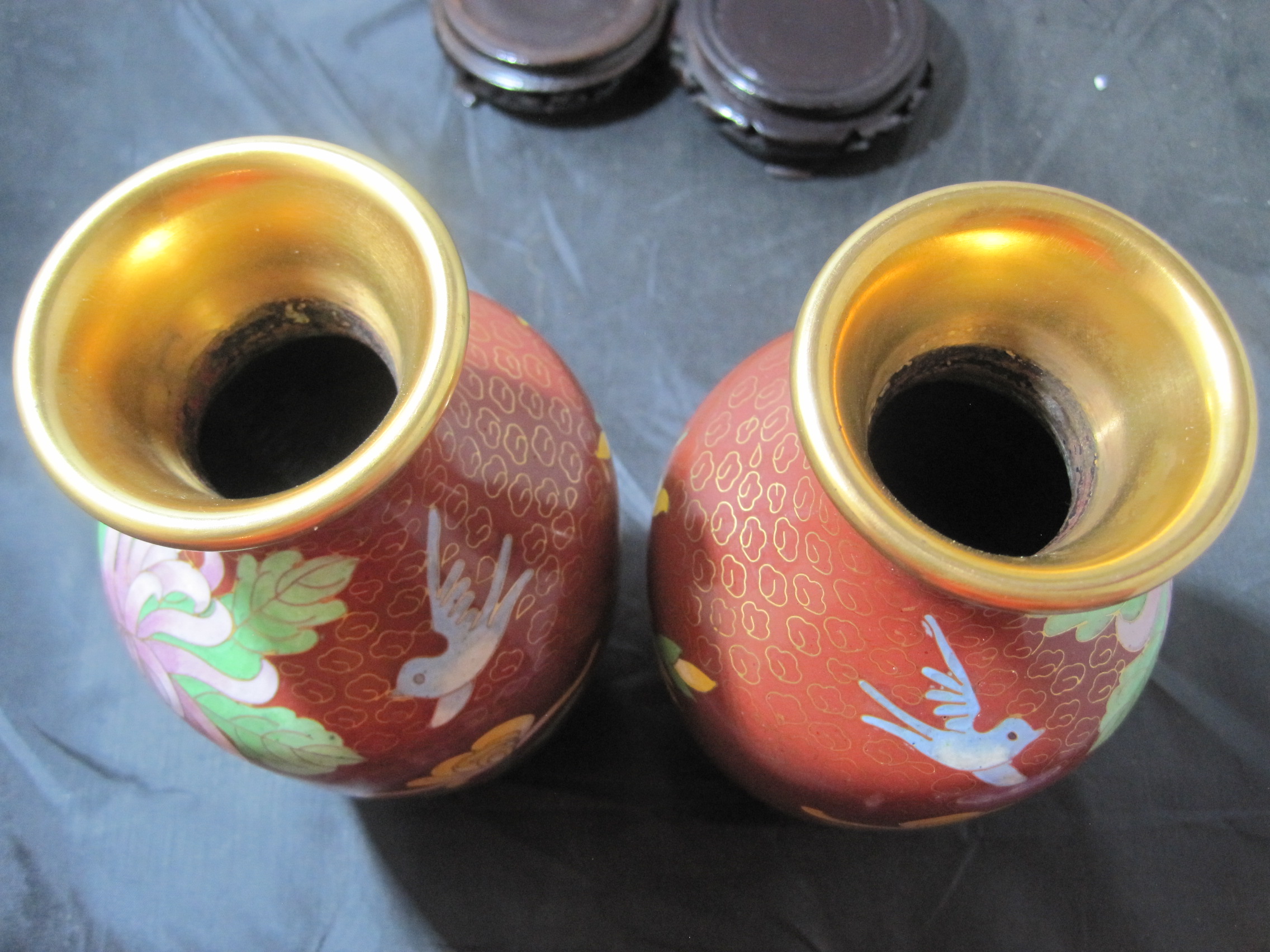
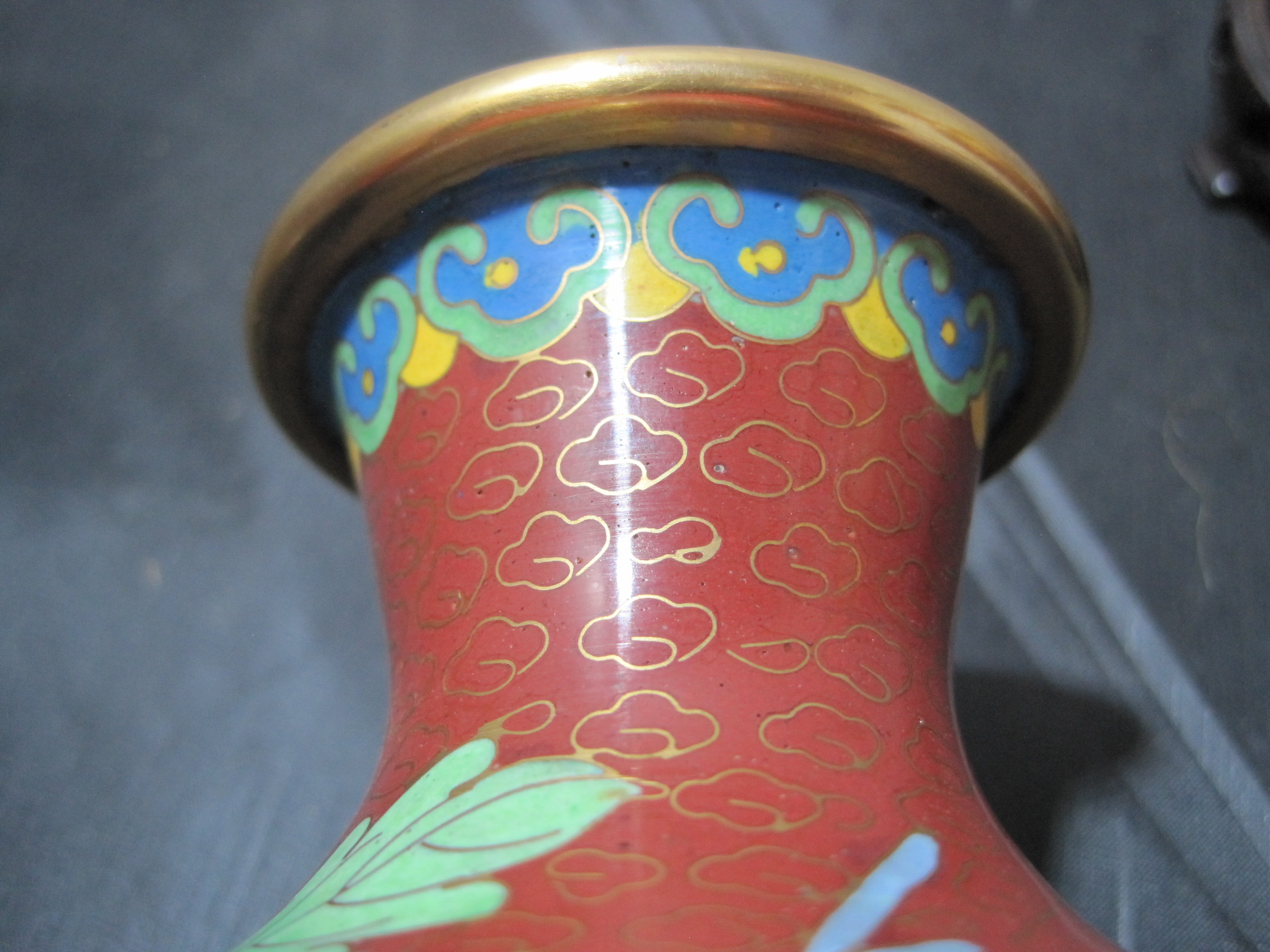
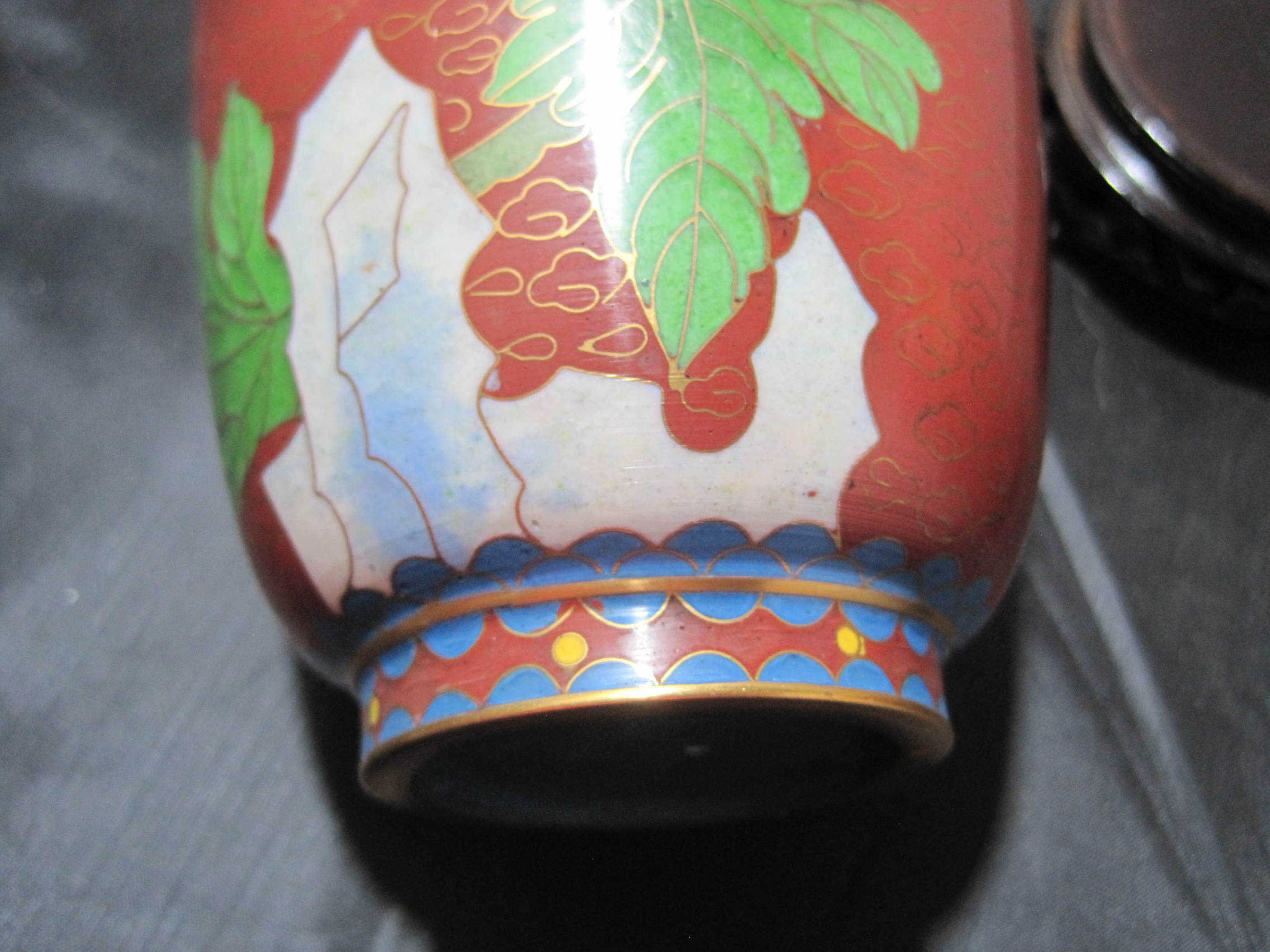
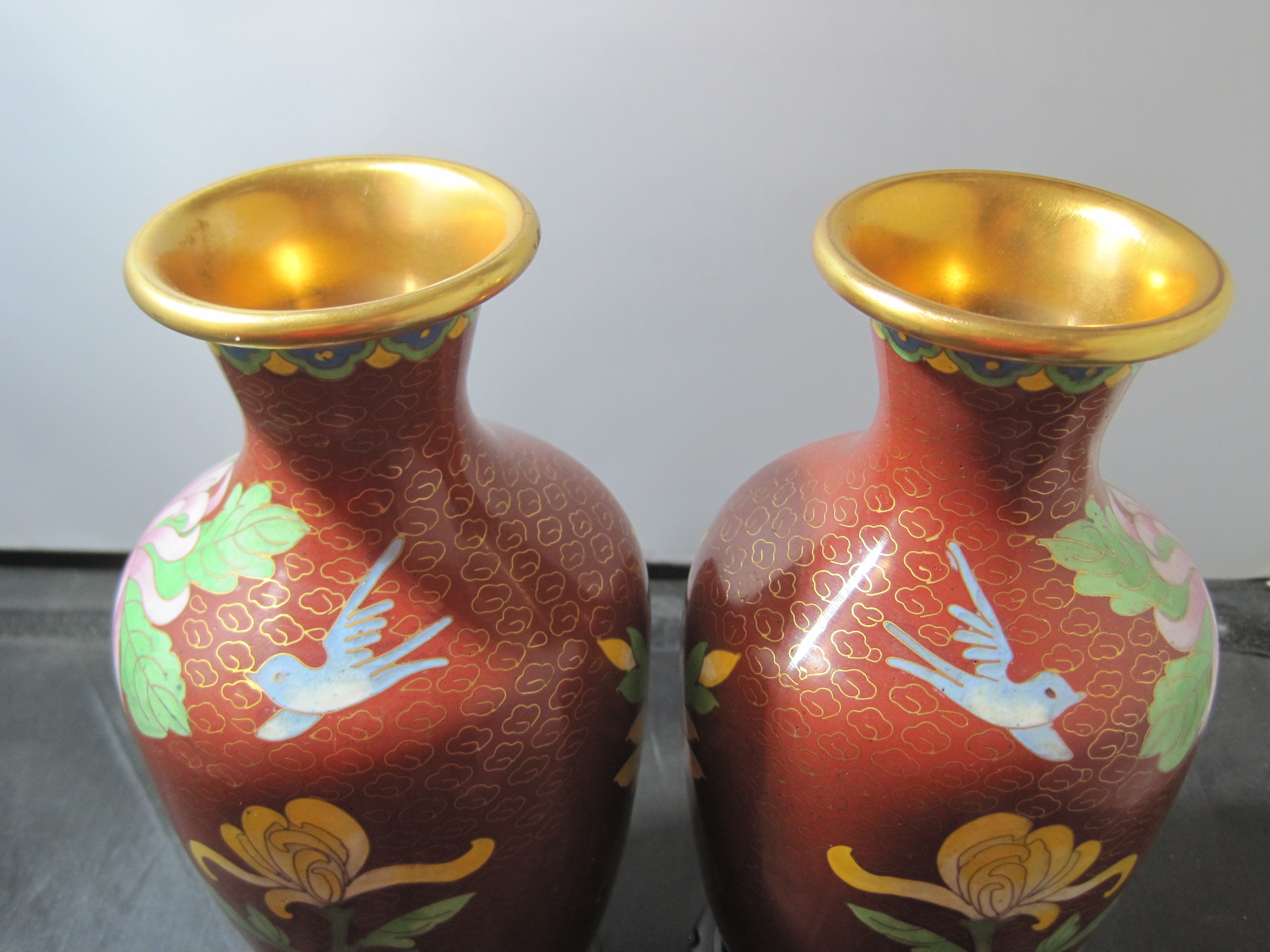
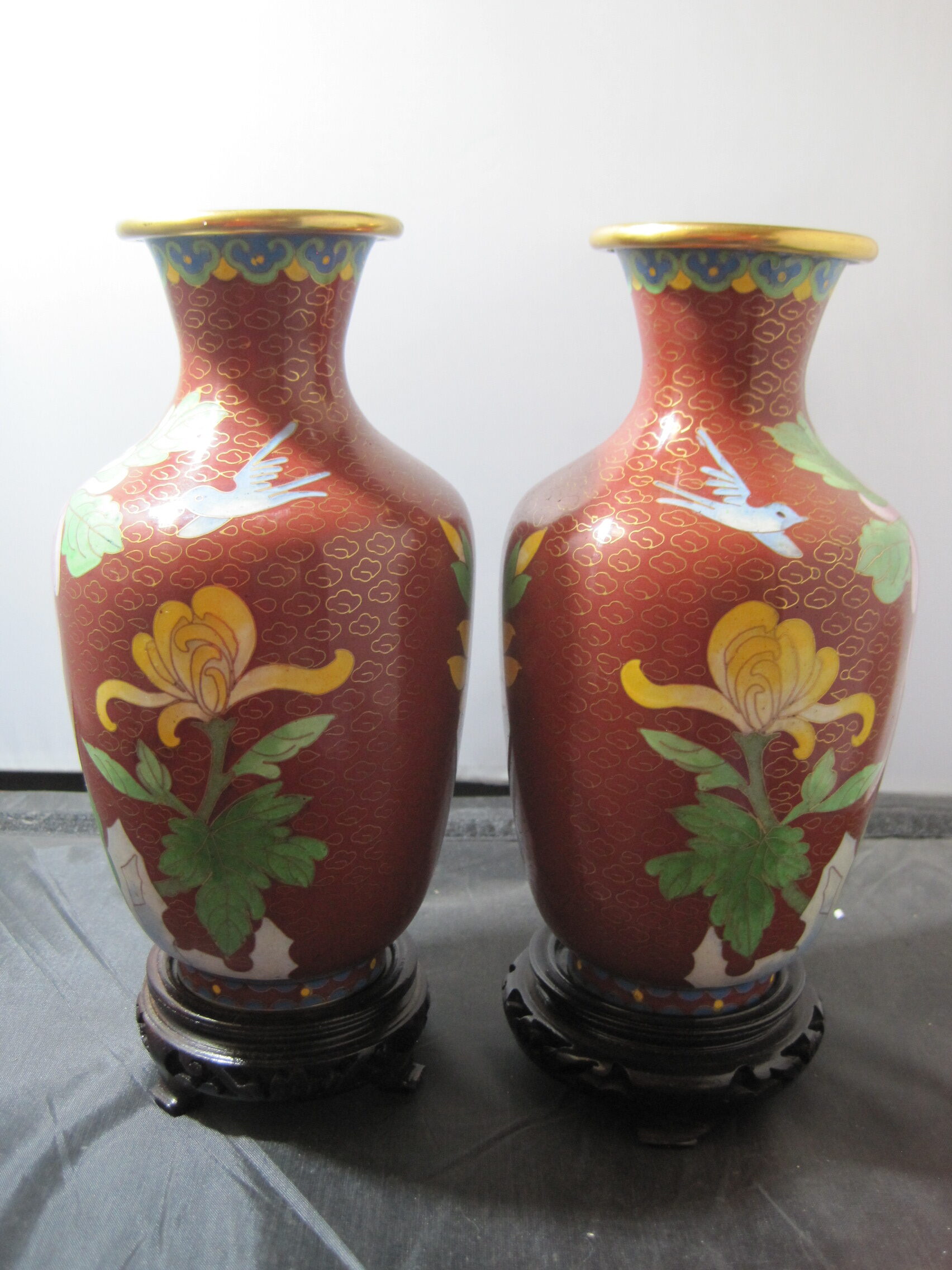
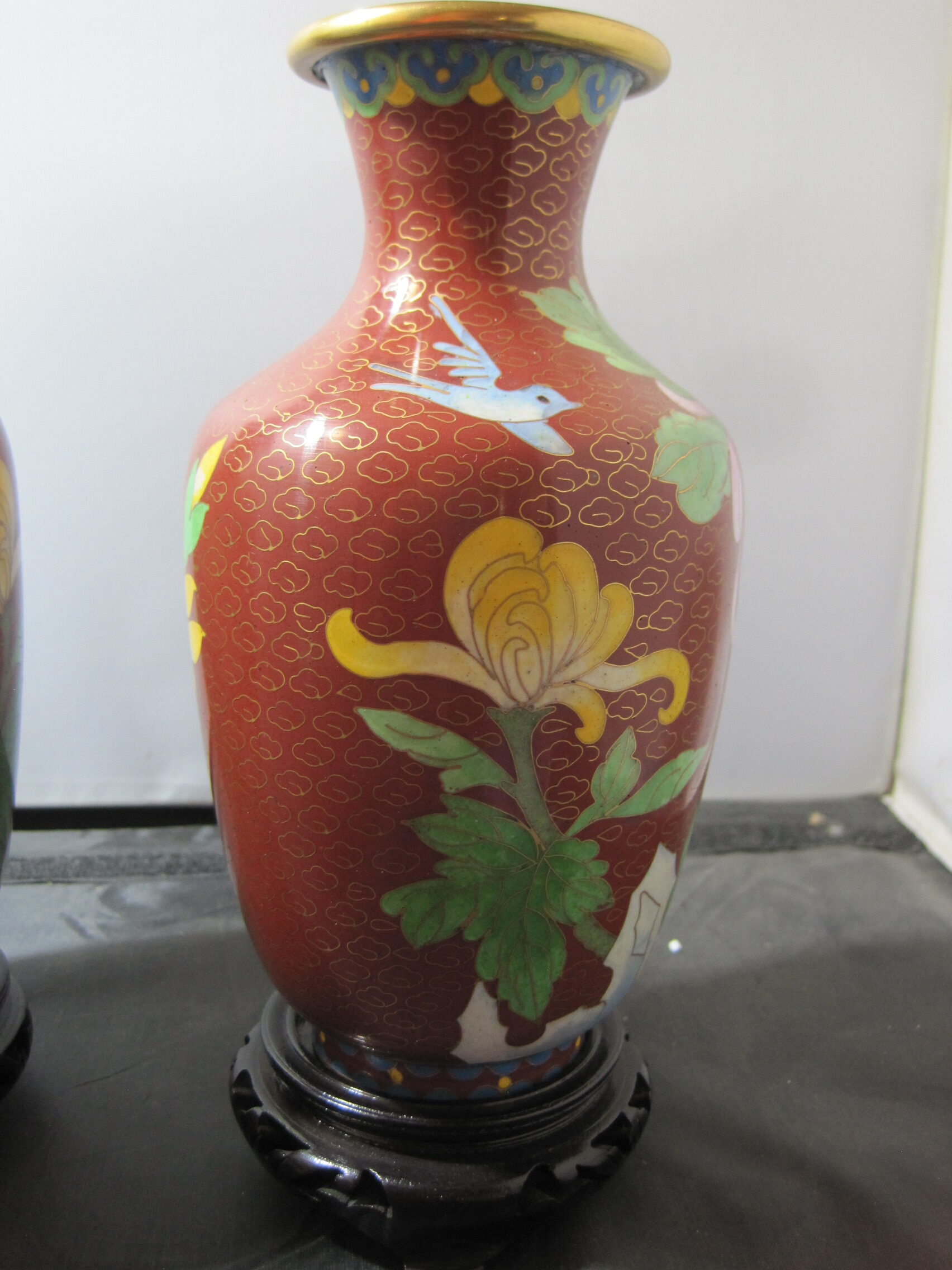




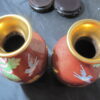
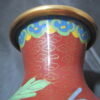
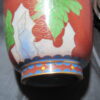


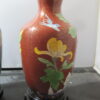


Cloisonné, also called Byzantium luster, is a technique of artistic enamel decoration, in which thin threads (filigrees) or strips or small metal partitions (usually copper), cells or alveoli (called cloisons in French), are welded or glued to a support slab of the work to be built; subsequently, in the areas raised by the metal, enamel is poured, thus obtaining a sort of mosaic whose tiles are exactly circumscribed by the metal strips.
These spaces or “cloisons” (a French word meaning “compartments”) are filled with enamel paste. The object is then fired in a kiln, ground down to a smooth surface, and then polished. Historically, cloisonné was produced in China and Japan as early as the 14th century.
| Weight | 2 kg |
|---|---|
| Dimensions | 20 × 20 × 20 cm |
Related products
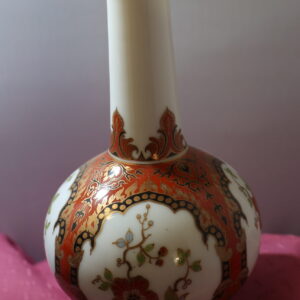
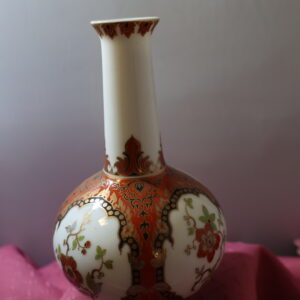
China, Ceramics, Porcelain
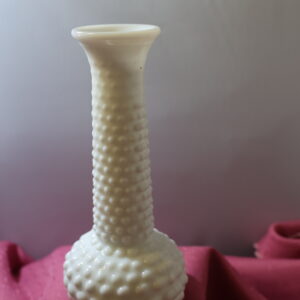
Antiques & Vintage
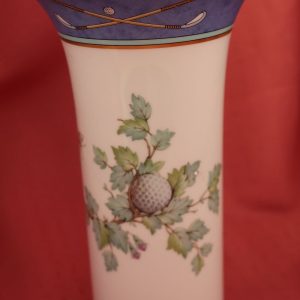
Antiques & Vintage

China, Ceramics, Porcelain


China, Ceramics, Porcelain


Antiques & Vintage
Antiques & Vintage
China, Ceramics, Porcelain